

Why Images Fail
Some product images fail before the viewer even knows why.
The product may be good. The brand may be real. The offer may be strong. But the image still feels off. Not bad enough to shock anyone. Just weak enough to lose trust. That is often how brands disappear into the background online. They do not look terrible. They just do not look convincing.
In a market full of fast content, visual quality has become a filter. People judge in seconds. On a homepage, a product page, an ad, or a social post, the image shapes the first impression before the copy has any chance to work.
That is why so many brands are now investing in AI product photography. But this is also where many of them get it wrong.
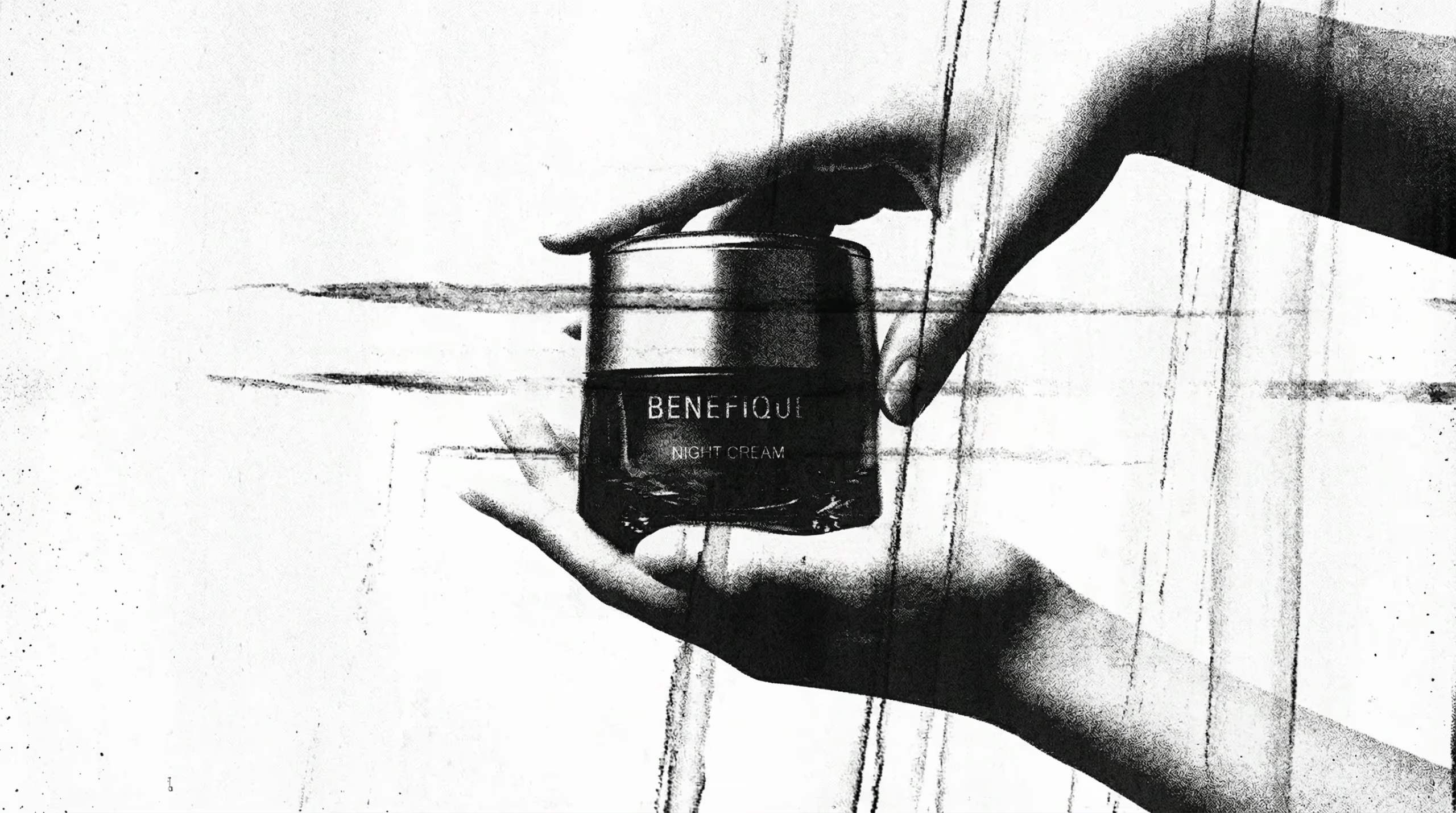
The image looks polished, but not believable
A lot of AI product visuals look impressive at first glance. The lighting is dramatic. The colors are rich. The composition is clean. But after another second, the illusion breaks.
Something starts to feel artificial.
Maybe the glass does not catch light the way real glass should. Maybe the packaging edges are too soft. Maybe the reflection is too perfect. Maybe the shadows do not belong to the scene. The viewer may not describe the problem clearly, but they still feel it.
And once the image loses credibility, the brand loses some of it too.
That is the hidden danger of weak AI-generated product imagery. It does not just create a bad image. It creates doubt.
Why this matters more than brands think
People do not separate the image from the brand as much as teams often assume.
They do not think, “This brand is probably strong, but the visual execution is weak.” They simply feel the brand is less premium, less careful, or less trustworthy. In ecommerce especially, those small reactions matter. Product visuals shape perceived value, product quality, and buying confidence long before someone reads the details.
This is why premium brands care so much about presentation. They know a product image is never just a product image. It is a signal.
It tells the audience whether this brand pays attention. Whether it has taste. Whether it understands its own category. Whether it feels current or outdated. Whether it looks cheap or elevated.
One weak image can quietly damage all of that.
The most common reasons AI product images fail
The image may be visually busy, but it says nothing specific about the brand.
Metal, glass, plastic, fabric, and liquid all need to react to light correctly.
The background starts fighting with the product instead of supporting it.
Shapes drift, details change, and packaging loses integrity.
The image could belong to any brand in any category.
The visual looks nice, but it was not built for ecommerce, ads, launch pages, or brand.
These issues are common because many people approach AI visuals backwards. They start with the tool and hope it produces quality. Strong work starts with the brand, the product, the context, and the intended use.
That is a completely different process.
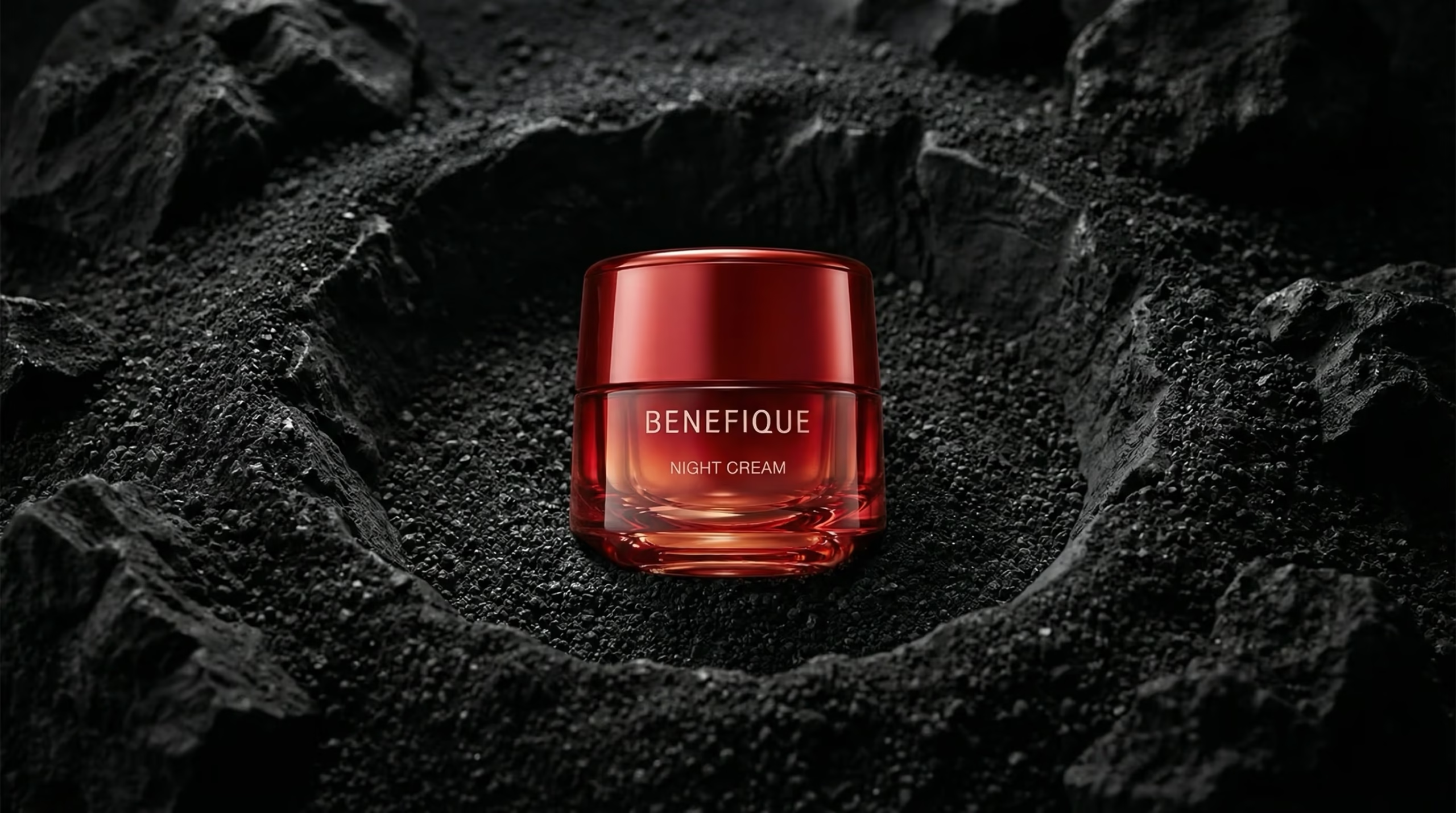
Premium visuals need restraint
One of the clearest signs of amateur visual work is trying too hard.
Too much glow. Too much drama. Too many props. Too much atmosphere. Too much “look what AI can do.”
Premium product imagery usually works the opposite way. It feels controlled. It gives the product space. It uses lighting with purpose. It understands proportion, silence, texture, and balance. It does not scream for attention. It earns attention.
That is why some of the strongest AI marketing visuals feel simple at first. The image is not trying to prove anything. It is just well made. The product looks desirable. The scene feels intentional. The brand comes through clearly.
That kind of simplicity is harder than it looks.
Why Brands Choose SHOTR
AI product photography can absolutely help brands move faster, test more concepts, and build stronger campaigns. But the output is only as good as the thinking behind it.
The right partner understands more than prompts. They understand brand perception, ecommerce behavior, creative direction, and the fine details that make an image feel real. They know when to push a concept and when to simplify it. They know when an image is beautiful but wrong. They know how to protect the product while still creating something fresh.
That is the difference between getting images and building assets.
At Shotr, we create AI product visuals with that standard in mind. We focus on work that feels believable, brand-right, and ready to perform across modern marketing channels. Every image should help the product look stronger and the brand feel more valuable. Because when the visual is right, people feel it immediately.
If your brand needs AI product photography that looks modern, human, and built to perform, visit Contact and start a conversation.