

Move Faster, Look Better
Speed used to come with a trade-off.
If a brand wanted premium product visuals, it usually had to accept a slower process. Concepts took time. Shoots took planning. Revisions stretched timelines. New campaign variations meant more production, more coordination, and more waiting. For years, that was simply the cost of making things look polished.
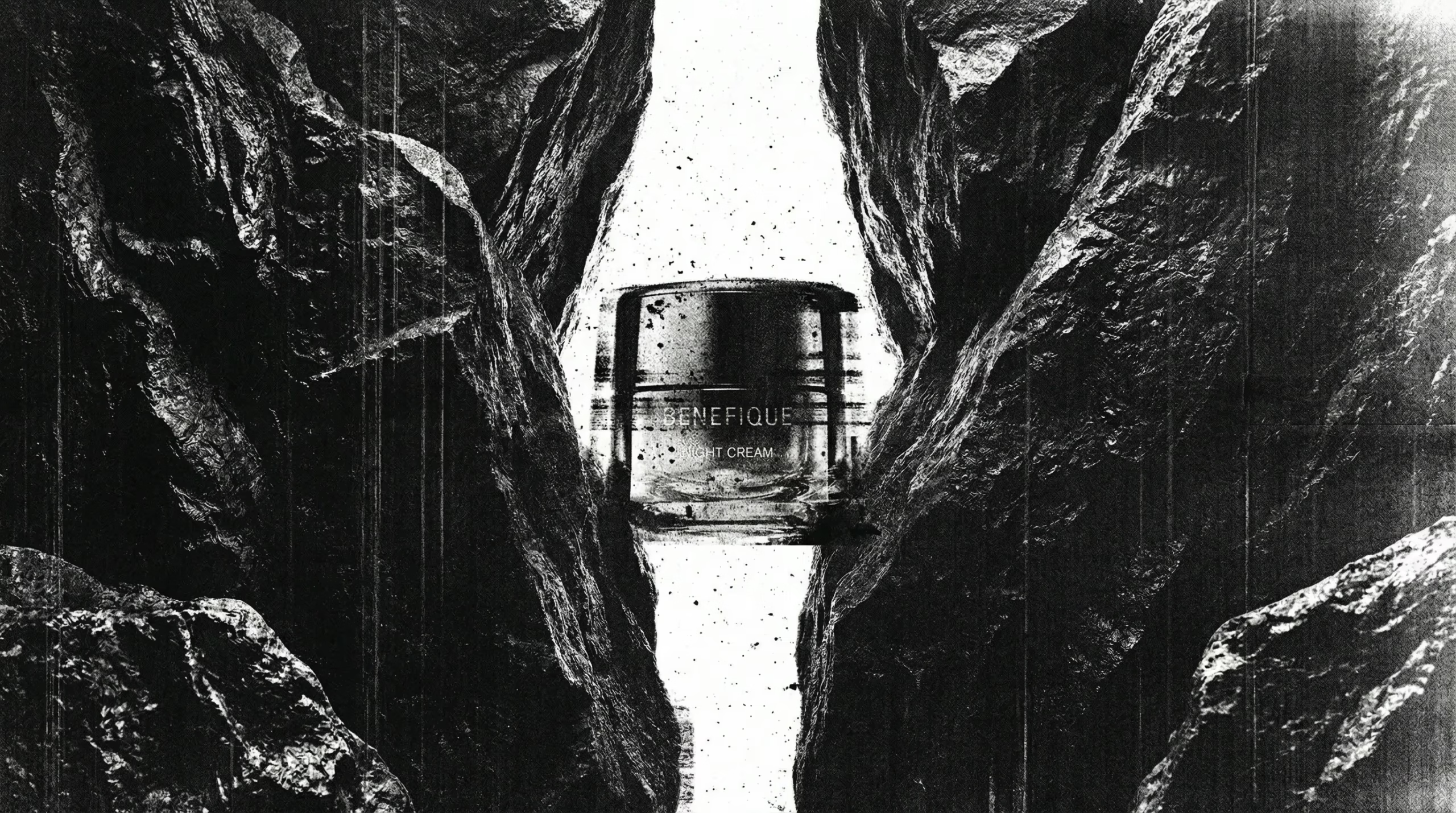
That is changing.
AI product photography is giving brands a faster way to build high-quality product visuals without lowering the standard. Not in theory. In practice. The right process now makes it possible to move quickly, test more ideas, and still produce imagery that feels premium, controlled, and ready for real marketing use.
That shift matters because modern brands do not operate on slow creative cycles anymore. Launches move fast. Ads need fresh assets. Product pages need updating. Seasonal campaigns come and go quickly. New channels appear, and every touchpoint asks for visuals that feel current. The pressure is not just to create. It is to create well, at speed.
That is where many teams get stuck.
They either move fast and accept average creative, or they hold onto quality and lose time. One weakens the brand. The other slows growth. Neither is a strong long-term answer.
What smart brands are really looking for now is a better balance.
They want hero product shots that look considered, not rushed. They want launch visuals that carry energy without losing control. They want ecommerce imagery that feels clean, polished, and consistent across the site. They want paid social assets that can stop attention without looking disposable. In short, they want visuals that move at the speed of business while still protecting the brand.
That is exactly why AI marketing visuals have become so valuable.
When handled properly, AI expands the creative process instead of flattening it. A brand can explore multiple directions before locking into one. It can test visual moods, build campaign variations, and create product imagery for different channels without rebuilding everything from zero. The process becomes more flexible, more responsive, and more useful to the business.
What Premium Really Means
Premium product imagery is usually not dramatic for the sake of drama. It is clear, intentional, and confident.
The product feels real. The surfaces feel believable. The composition has restraint. The image supports the brand instead of competing with it. When this is done well, the result feels effortless, even though it takes real judgment to get there.
That is the difference between a disposable AI image and a real marketing asset.
For ecommerce brands, this matters a lot. Product visuals influence first impressions, perceived value, click behavior, and buying confidence. They help decide whether a brand feels established or forgettable. In many cases, the image is doing the first layer of selling long before the copy gets a chance.
But this only works when speed is paired with judgment.
Fast output on its own is not impressive anymore. Everyone can produce more. The real difference is whether that output feels believable, brand-right, and commercially useful. If the image looks synthetic, if the product loses accuracy, or if the style drifts away from the brand, speed becomes irrelevant. You only reach the wrong result faster.
That is why quality control matters so much in AI product photography.
The strongest work still depends on decisions. The product has to feel true to itself. The lighting has to support the material. The scene has to sharpen the product, not distract from it. The final visual has to work where it will actually be used — on the website, in paid ads, across ecommerce, and inside launch campaigns. That kind of work does not happen by accident. It comes from a clear creative standard.
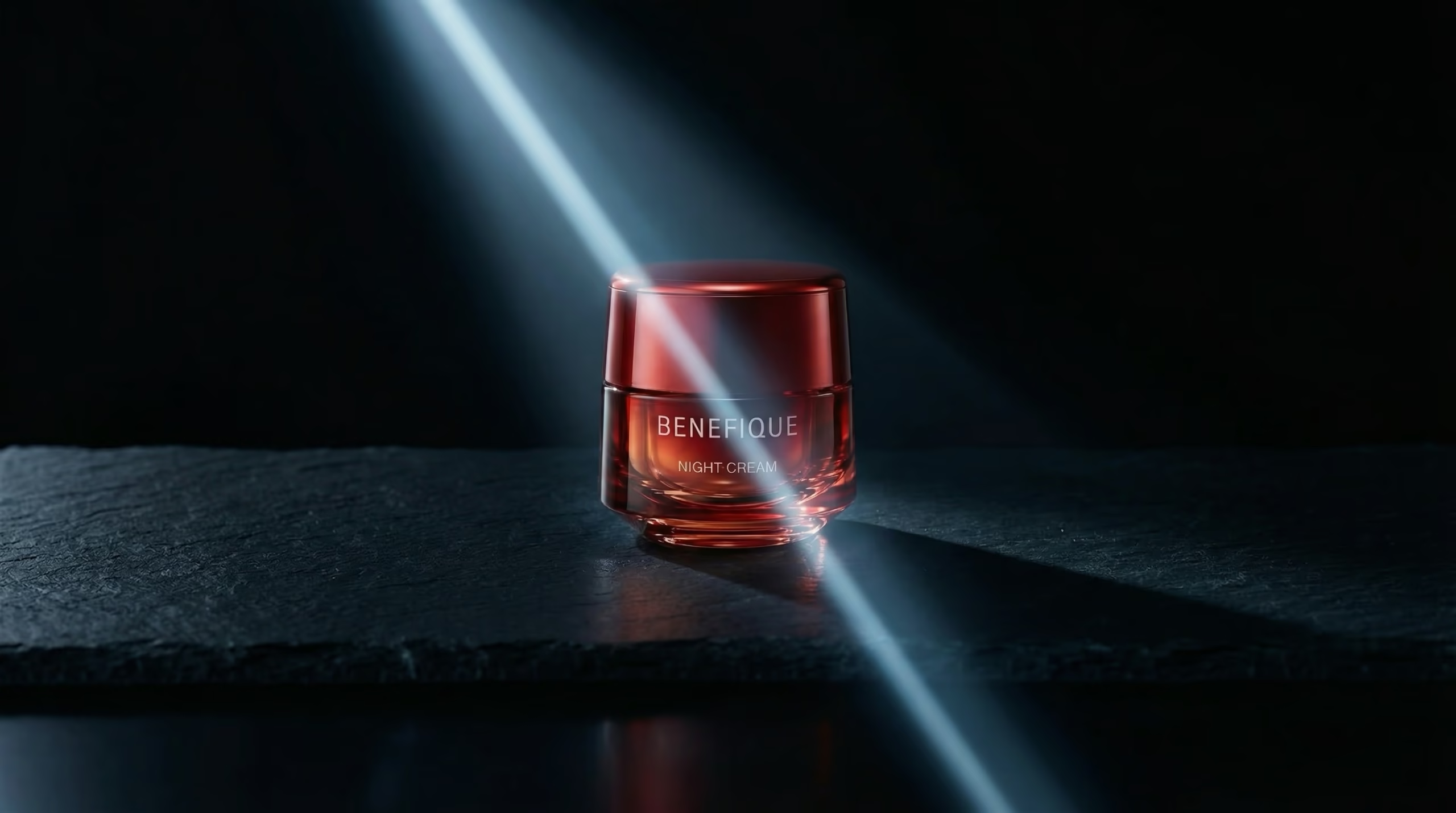
And that standard changes what speed can actually mean.
Instead of rushing, a brand starts operating with more freedom. It can build stronger launch systems. It can refresh visuals more often. It can respond to campaign needs faster. It can create more content without turning everything into content for content’s sake. Speed stops being a compromise and starts becoming an advantage.
That is a big shift for ecommerce brands in particular.
In ecommerce, visual quality and responsiveness are both critical. Brands need strong product imagery to build trust, improve click-through, and increase buying confidence. But they also need to keep moving. New products launch. Collections expand. Paid campaigns need testing. Pages need updates. This is where a slow visual process starts creating friction across the business.
AI product visuals can reduce that friction while raising the standard, if they are built correctly.
The key phrase there is “if they are built correctly.”
A lot of brands have already seen what happens when the process is loose. Images come out quickly, but they do not hold up. They look flashy but not premium. They feel new but not credible. The product ends up trapped inside visual effects instead of being presented with clarity. That kind of output may save time in the short term, but it does not build real brand value.
Serious brands need something better.
They need a process that respects the speed of modern marketing and the discipline of premium creative. They need a partner who understands that product imagery is not just about aesthetics. It is about trust, perception, consistency, and momentum. Every image should help the brand look sharper and move forward with more confidence.
That is how we think at SHOTR
We create AI product visuals for brands that want to move faster without looking cheaper, rushed, or generic. Our focus is on making product imagery that feels polished, natural, and built for real use across web, ecommerce, social, and campaign environments. The goal is not just to create faster. It is to create better, with more flexibility and less drag.
Because in the end, speed is only valuable when quality survives it.
If your brand wants AI product photography that helps you move faster and still look premium, visit Contact and start a conversation.